PRECISION LOGISTICS: THE SCIENCE OF SPECIALTY COFFEE STORAGE DURING SEA FREIGHT
The journey from origin to roastery is the most critical phase in a specialty coffee's life. Discover the advanced science of green coffee storage during sea freight, protecting delicate flavor profiles from temperature swings, humidity, and "container sweat." This comprehensive 2026 guide explores the logistics of maintaining 90+ point quality across the global supply chain.
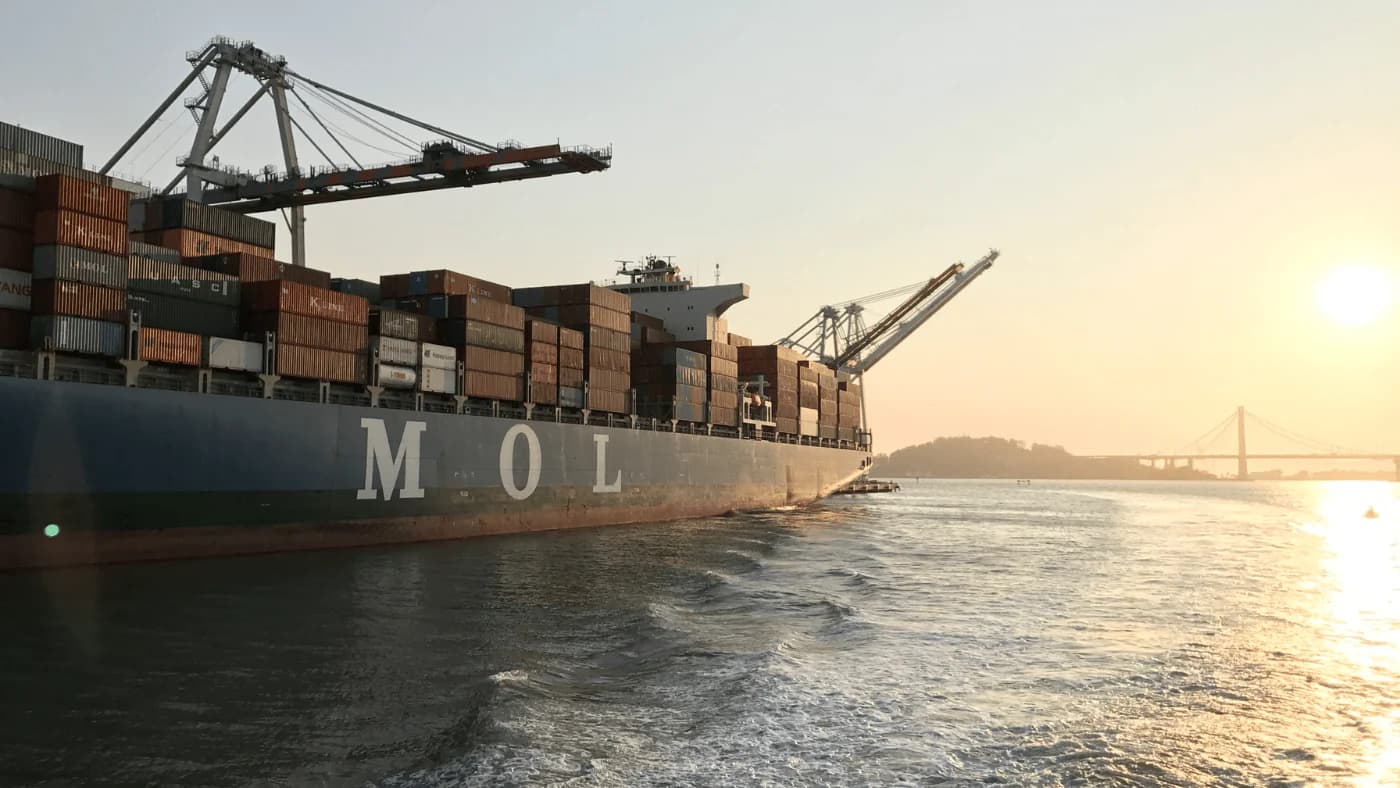
You've spent months sourcing the perfect Ethiopian heirloom micro-lot in the highlands. The cherry was picked at peak ripeness, the fermentation and drying were controlled to the hour. But as that coffee enters a steel container for its 45-day journey across the ocean, it faces its greatest threat.
Why does 15.6% of specialty coffee lose its "specialty" status before it ever reaches the roastery?
Specialty coffee is a hygroscopic organic product. It breathes, it absorbs moisture from the air, and it is highly sensitive to chemical changes induced by its environment. During sea freight, coffee can encounter temperature variations from 15°C to 50°C and relative humidity levels that fluctuate wildly as the vessel crosses different climatic zones – from the dry heat of Djibouti to the humid warmth of the Suez Canal and the cold Atlantic.
Key Insight: "Container Sweat"This is the leading cause of quality degradation. When a container cools rapidly at night, the internal air loses its ability to hold moisture. This forces condensation to form on the steel roof, which then drips directly onto the coffee bags, creating mold or "baggy" taints known in the industry as cargo sweat.
1. The Science of Moisture Equilibrium
Specialty green coffee should ideally be exported with a moisture content between 10.5% and 12.0%. These parameters are the "Goldilocks Zone"-dry enough to inhibit microbial growth, yet moist enough to preserve cellular integrity and the embryo within the bean.
However, moisture content is not static. It exists in Equilibrium Moisture Content (EMC) with the surrounding air's Relative Humidity (RH). If the RH in a container rises above 70%, the coffee beans will act like sponges, absorbing moisture until a balance is reached.
The Water Activity Factor (aW)
While total moisture tells us how much water is in the bean, Water activity (aW) measures the energy status of that water-essentially, how "available" it is for chemical and microbial reactions. It is the most accurate predictor of shelf stability.
Target aW: 0.45 – 0.55
Safe for long-term storage and intercontinental freight. Enzymatic activity is stalled.
Danger aW: > 0.60
Facilitates the growth of Aspergillus molds and OTA toxin production. Flavor "fading" accelerates rapidly.
2. Hermetic Packaging: GrainPro & Ecotact
Before the early 2010s, nearly all coffee traveled in porous jute or sisal bags. Today, premium Ethiopian exports utilize hermetic liners as a standard practice for specialty lots.
Packaging Hierarchy
- Standard Jute: High risk. Zero moisture protection. Permeable to odors.
- Hermetic Liners (GrainPro/Ecotact): Industry standard. 5-7 layer high-barrier plastic (EVOH). blocks oxygen and moisture transfer.
- Vacuum Packaging (Penta/Brick): Elite tier. Oxygen-free. Used for 90+ score lots and competitions.
The Economic Impact
Research indicates that specialty coffee stored in hermetic liners preserves its cupping score for up to 12 months longer than jute-only storage.
- Preserves floral bergamot notes (linalool)
- Prevents absorption of diesel fumes at ports
- Eliminates insect infestation risk
For Ethiopian exporters, ensuring 100% GrainPro/Ecotact availability for all Specialty Grade 1 and 2 lots is non-negotiable. The marginal cost of the liner ($2-3 per bag) is an insurance policy for a cargo worth $500-800 per bag.
3. Container Selection: Dry vs. Ventilated
The container is the primary shield against the ocean environment. While Standard 20ft Dry Vans are the workhorse of the industry, specialty logistics require a more nuanced approach.
Ventilated "Coffee" Containers
Specifically designed with passive ventilation strips along the top and bottom rails.
Prevents internal heat-trapping; allows "breathing" of the cargo.
Vulnerable to salt-air ingress if stored on deck; higher cost and lower availability.
Insulated Radiant Barriers
A high-performance alternative to reefer containers for high-end specialty.
Mechanism: The entire container is lined with a thermal "space blanket" (like Liqui-Foil) reflecting 97% of radiant heat.
Recommended for: Micro-lots, Gesha varieties, and competition coffee.
4. The "Stowage Factor": Vessel Placement Strategy
Where your container is placed on the ship matters as much as what's inside it. On a Ultra-Large Container Vessel (ULCV), the temperature difference between the top stack and the bottom hold can be as much as 25°C.
Strategic Stowage Requests
Request: "Under Deck, Below Waterline"
The ocean acts as a heat sink. Containers stored in the hold stay at a remarkably stable 18-22°C throughout the voyage, regardless of the ambient air temperature.
Avoid: "Deck Stowage (Top Tier)"
Direct sun exposure turns the container into an oven. Internal temperatures can hit 60°C in tropical waters, "baking" the coffee oils and destroying volatile aromatics.
Avoid: "Engine Room Bulkheads"
The massive heat from the ship's engines can penetrate the hold, causing localized hot spots that age the coffee unevenly.
Request: "Mid-Ship Placement"
Reduces vertical movement and vibration (G-force), which can sometimes cause "sifting" or bean breakage in lower density lots.
5. Condensation Management: Beyond the Bag
Managing headspace humidity is critical for preserving washed specialty coffees, which are typically more sensitive to moisture-related taints than naturals.
Active Desiccants
We utilize 2kg Calcium Chloride "Dry-Bags" hung from container hooks. These absorb up to 6 liters of water each, trapping moisture before it reaches the ceiling.
Moisture Blotters
A layer of heavy Kraft paper or high-ply cardboard is laid over the top of the cargo. If condensation *does* drip, the cardboard absorbs it before it penetrates the jute.
Floor Protection
Plastic-wrapped pallets or heavy-duty liners prevent "rising damp" from the container floor, which often harbors residual moisture or odors from previous cargoes.
6. Managing Transit Times & Global Disruptions
In 2026, the global coffee supply chain faces unprecedented variability. A traditional route from Djibouti to New Jersey, which ideally takes 35-40 days, can now extend to 65+ days due to transshipment delays.
The "Quality Fade" Timeline (Washed Arabica):
| Transit Window | Expected Quality Impact | Risk Level |
|---|---|---|
| 0 - 45 Days | Negligible profile change if hermetically sealed. | LOW |
| 46 - 75 Days | Minor loss of bright acidity; slight "hushing" of delicate florals. | MODERATE |
| > 75 Days | Risk of "baggy" notes; loss of sweetness; noticeable profile fading. | CRITICAL |
"Transparency in transit times is as important as transparency in sourcing. An importer must know when their 'fresh' crop is effectively becoming 'past crop' due to transit duration."
7. Chemical Aging: The Lipid Oxidation Crisis
The most devastating effect of poor storage is invisible to the eye but obvious in the cup: lipid oxidation. Coffee beans contain roughly 15-17% lipids (fats/oils). When exposed to heat and oxygen, these lipids break down into rancid compounds.
The Van 't Hoff Rule
For every 10°C increase in temperature, the rate of chemical reaction (and thus quality degradation) approximately doubles.
Scenario: A coffee traveling at 40°C for one month undergoes the same amount of chemical aging as a coffee stored at 20°C for four months. This explains why "High-Deck" stowage destroys specialty scores.
This oxidation results in the "cardboard" or "baggy" taste. While roasting can mask some aging in darker profiles, for the high-end specialty market where light roasting is preferred, these defects have nowhere to hide.
8. Arrival Protocol: Post-Freight Quality Verification
The work doesn't end at the destination port. A professional importer follows a multi-step protocol to ensure the origin's quality was preserved.
The Arrival QC Checklist
- 1
Container Seal Verification
Confirming the seal number matches the B/L to ensure no unauthorized access (and thus uncontrolled exposure) occurred at transshipment ports.
- 2
Spot Moisture Testing
Using a calibrated moisture meter (Shore/Draminski) to test at least 5% of the bags. Any drift >0.5% compared to pre-shipment suggests a liner breach.
- 3
The "Nose" Test
Smelling the bags immediately upon opening. "Fresh" green coffee smells of grass, peas, or sweet hay. If it smells of paper or wet jute, moisture ingress is likely.
- 4
PSS vs. Arrival Cupping
The ultimate test. Cupping the arrival sample side-by-side with the Pre-Shipment Sample (PSS). A drop of >1.5 points indicates a logistics failure.
9. Logistics & Liability: Incoterms
Understanding who owns the risk during the voyage is crucial for roasters. The Incoterm dictates when responsibility transfers from the Ethiopian exporter to the buyer.
FOB (Free On Board)
Risk transfers when coffee crosses the ship's rail in Djibouti. The buyer handles sea freight and insurance. Common for large importers.
CIF (Cost, Insurance, Freight)
Exporter covers costs until the destination port. The safest option for smaller roasters, as the exporter manages the freight quality.
Frequently Asked Questions about Coffee Logistics
How long can green coffee be stored before it goes bad?
In traditional jute bags, green coffee begins to fade after 6 months. When stored in hermetic liners (GrainPro) at stable temperatures (under 25°C), specialty coffee can maintain its quality for 12 to 18 months.
What causes coffee to taste like wood or paper?
This is often the "baggy" defect, caused by lipid oxidation or moisture absorption from jute bags during transport. It indicates the coffee has aged or was exposed to high humidity/heat.
Why is Ethiopian coffee more sensitive to shipping?
Ethiopian heirlooms often have different bean densities and cellular structures compared to commercial hybrids. Their delicate floral and fruity volatiles (like jasmine and bergamot) are the first to degrade under heat stress.
Partner with Logistics Experts
Sea freight shouldn't be a gamble. At Ethio Coffee Export, we treat logistics as an extension of our farming. By applying rigorous science-using hermetic liners, thermal barriers, and strategic stowage-we ensure that the 90+ point aromatics you cup at origin are the ones you roast at home.