Ethiopian Dry Coffee Production: Complete Quality Control & Processing Guide for Exporters
Comprehensive guide to Ethiopian dry coffee production, quality control standards, processing infrastructure, defect management, and the Ethiopian Coffee Authority's initiatives to maintain excellence from cherry to export-ready green coffee.
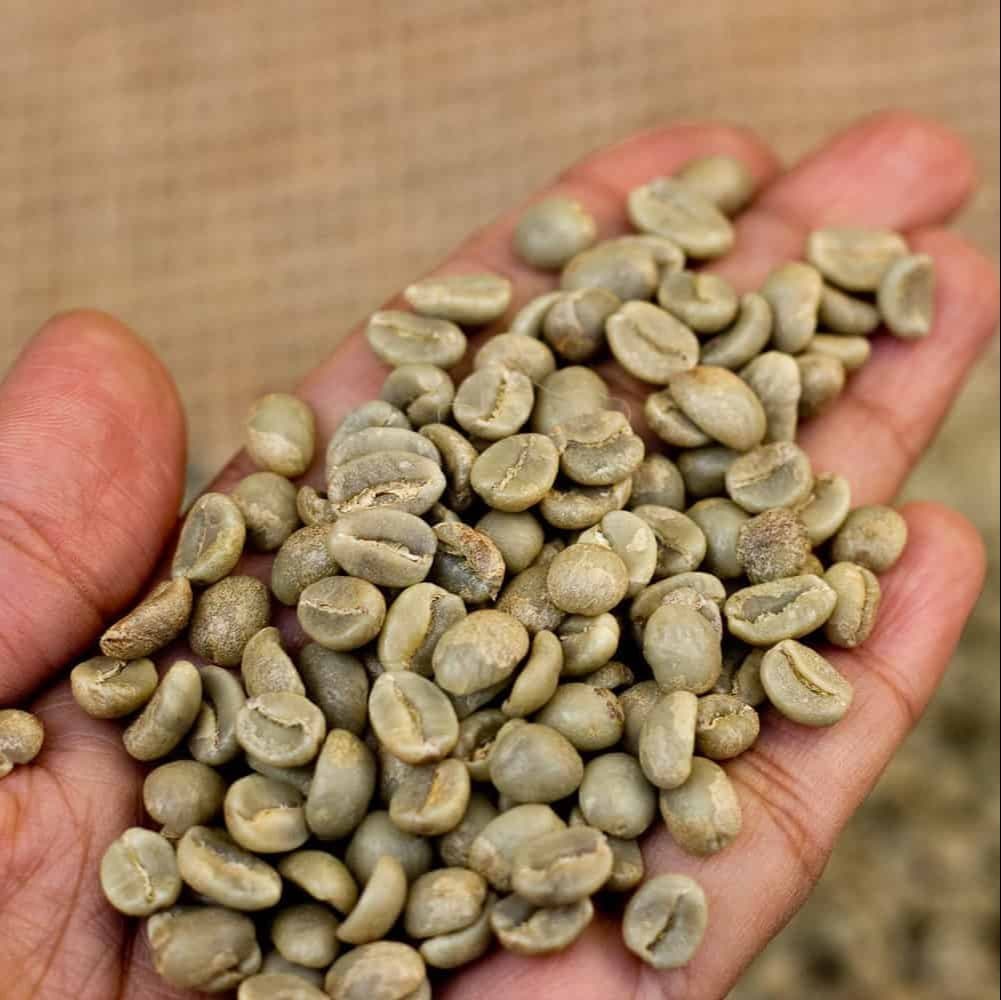
Ethiopian coffee's reputation as the birthplace of arabica and producer of the world's most sought-after specialty coffees depends entirely on one critical factor: quality at every stage of production. While the conversation around Ethiopian coffee often focuses on origin, variety, and terroir, the transformation from fresh coffee cherry to export-ready dry coffee (processed green beans) is where quality is truly won or lost.
The Ethiopian Coffee, Tea, and Spice Authority (ECTA), regional coffee authorities, and thousands of processing facilities across coffee-growing regions work continuously to maintain and improve the quality standards that make Ethiopian coffee exceptional. Recent initiatives by Mr. Asrat Mekuria, Director General of the Regional Coffee, Tea, and Spice Authority, highlight the ongoing commitment to preparing dry coffee in large quantities while maintaining rigorous quality standards for both domestic central markets and international export.
This comprehensive guide explores Ethiopian dry coffee production from institutional oversight to on-the-ground processing practices, quality control protocols, common defects and their prevention, training programs, and what international buyers should understand about Ethiopian coffee quality assurance systems.
What is "Dry Coffee" in the Ethiopian Coffee Industry?
In Ethiopian coffee terminology, "dry coffee" refers to processed coffee that has been dried to the appropriate moisture content and is ready for hulling, grading, and export. This is essentially what international buyers know as parchment coffee (for washed processing) or dried cherry (for natural/dry processing) before final milling to produce clean green coffee beans.
Dry Coffee Processing Stages
- Natural/Dry Process: Coffee cherries → sun-dried whole on raised beds/patios → dried cherry (dry coffee) → hulled → green coffee
- Washed/Wet Process: Coffee cherries → pulped → fermented → washed → dried in parchment → parchment coffee (dry coffee) → hulled → green coffee
- Honey/Semi-Washed Process: Cherries → pulped (mucilage retained) → dried → parchment coffee (dry coffee) → hulled → green coffee
The quality of dry coffee directly determines the final grade and value of Ethiopian green coffee at auction and export. Issues during drying-uneven moisture, mold development, over-fermentation, contamination-become permanent defects that cannot be corrected during milling. This is why Ethiopian coffee authorities place such emphasis on quality control during dry coffee preparation.
As Mr. Asrat Mekuria emphasized in recent ECTA training programs: "It is important to focus on preparing dry coffee in large quantities while maintaining its quality for the central market." This balance between volume and quality is the fundamental challenge of Ethiopian coffee production at scale.
Ethiopian Coffee Processing Infrastructure & Production Scale
Ethiopia's coffee production relies on a distributed network of processing facilities spanning all major coffee-growing regions. Understanding this infrastructure is essential for international buyers evaluating Ethiopian coffee sourcing and quality assurance systems.
Ethiopian Coffee Processing Facility Types
Serve smallholder farmers in major coffee regions like Yirgacheffe, Sidamo, Guji, and Limu. Process washed coffee from member farmers with centralized quality control.
Licensed exporters and processors operate wet mills purchasing cherries from outgrowers. Common in Yirgacheffe and Guji for specialty washed coffee production.
Natural/dry process facilities with extensive drying areas (raised beds or patios) for sun-drying whole cherries. Dominant in Harrar and increasingly popular for specialty natural lots.
Larger farms with on-site washing stations and drying infrastructure processing their own production. Offer greater quality control and traceability.
According to recent ECTA reports, 18,000 tons of coffee have been supplied to the central market so far this production year through this processing network. While significant, authorities note this is below expectations, highlighting ongoing challenges in production volume, quality consistency, and market access that training programs aim to address.
The regional Coffee, Tea, and Spice Authority works with woreda (district) and kebele (sub-district) level agricultural offices to monitor processing facilities, provide training, and ensure compliance with national quality standards before coffee reaches the Ethiopia Commodity Exchange (ECX) or direct specialty export channels.
Quality Standards for Ethiopian Dry Coffee Production
Ethiopian coffee quality standards are established by the Ethiopian Coffee and Tea Authority (federal level) and enforced through regional authorities and woreda-level inspection systems. These standards apply to dry coffee before it enters the central market for grading and export preparation.
Physical Quality Parameters
- Moisture Content: 11-12% for safe storage and export (measured with moisture meters at intake)
- Screen Size: Minimum screen size requirements vary by grade (G1 requires screen 14+ retention)
- Density: Higher density correlates with better cup quality (measured pre-grading)
- Defect Count: Primary and secondary defects tallied per 300g sample for grade determination
- Color Uniformity: Consistent bean color indicating even drying (visual inspection)
Sensory Quality Standards
- Cup Quality: Minimum cupping score requirements for specialty grades (G1 requires 85+ points)
- Off-Flavors: Zero tolerance for ferment, mold, phenolic, or medicinal defects
- Clean Cup: Must demonstrate clean cup free from taints or contamination
- Regional Character: Coffee should express typical regional flavor attributes (e.g., floral notes in Yirgacheffe)
The Ethiopian grading system classifies coffee into grades based on defect counts:
- Grade 1 (G1): 0-3 defects per 300g sample - premium specialty coffee
- Grade 2 (G2): 4-12 defects per 300g - high-quality specialty coffee
- Grade 3 (G3): 13-25 defects per 300g - standard quality for commercial and some specialty
- Grade 4 (G4): 26-45 defects - commercial quality
- Grade 5 (G5): 46-90 defects - lower commercial grades
Quality standards are enforced at multiple checkpoints: at the processing facility before delivery to central market, at ECX intake and grading, and during final export preparation. This multi-layer system ensures that defective coffee is identified and downgraded or rejected before reaching international buyers.
Common Quality Defects in Ethiopian Dry Coffee Production
Mr. Asrat Mekuria emphasized in recent training that "the causes of quality defects and the failure to bring fully prepared products to the central market should be identified in each area." Understanding these defects is critical for both Ethiopian processors and international buyers evaluating coffee quality.
Primary Defects (Higher Impact on Cup Quality)
Cause: Over-fermentation, mold development during drying, or processing overripe/damaged cherries. Impact: Creates harsh, fermented, or phenolic off-flavors.
Cause: Bacterial contamination during fermentation, dirty processing water, or extended fermentation times. Impact: Produces vinegar-like acidity defects.
Cause: Inadequate hulling or incomplete processing. Dried cherry entering green coffee. Impact: Creates medicinal or earthy flavors.
Cause: Stones, sticks, metal, or other contamination during harvest, drying, or storage. Impact: Equipment damage risk and sanitation concerns.
Cause: Coffee berry borer (CBB) infestation. Impact: Creates dirty, musty, or fermented off-flavors.
Secondary Defects (Lower Individual Impact, Cumulative Effect)
Cause: Inconsistent drying, uneven fermentation, or moisture reabsorption. Impact: Mild off-flavors and reduced clarity.
Cause: Underdeveloped or drought-stressed beans with low density. Impact: Uneven roasting and muted flavors.
Cause: Harvesting underripe cherries (often at end of season). Impact: Grassy, astringent, or papery flavors.
Cause: Mechanical damage during hulling or transport. Impact: Over-roasting of smaller fragments, visual defect.
Cause: Immature or damaged beans that fail to roast properly. Impact: Create astringent or underdeveloped flavors.
The ECTA training programs led by coffee production preparation expert Ato Shimelis Aragaw focus specifically on defect prevention during dry coffee preparation. Key prevention strategies include proper cherry selection at harvest, controlled fermentation management, even drying on raised beds with regular turning, moisture monitoring, and contamination prevention during storage and transport.
Ethiopian Coffee Authority's Quality Control Initiatives
The Regional Coffee, Tea, and Spice Authority, led by Director General Mr. Asrat Mekuria, has launched comprehensive training and monitoring programs to address quality challenges in Ethiopian dry coffee production. These initiatives work in collaboration with the Food System Resilience Program (FSRP) to strengthen institutional capacity and improve on-the-ground processing practices.
Recent Training Programs (2025-2026)
- Dry Coffee Production Preparation Training: Technical training on processing best practices, drying management, and quality control protocols
- 6-Month Performance Review Forums: Evaluation of processing performance with zone and woreda leaders to identify systemic challenges
- Quality Defect Identification Workshops: Training sector leaders and experts to recognize, categorize, and prevent common defects
- Central Market Access Training: Education on ECX requirements, documentation, and logistics to reduce product accumulation at processing facilities
- Collaborative Problem-Solving Sessions: Multi-stakeholder forums bringing together producers, processors, and authorities for coordinated solutions
Mr. Asrat Mekuria's emphasis on "identifying gaps that still need to be corrected" reflects a data-driven approach to quality improvement. Training participants-including zone and city administration sector leaders, woreda coffee team leaders, and processing facility experts-receive documentation focusing on dry coffee production preparation and quality maintenance prepared by Authority specialists.
The Authority's goals extend beyond training to systemic improvement: ensuring coordination between all structures (federal, regional, zonal, woreda levels), preventing product accumulation at processing facilities, maintaining quality standards throughout the supply chain, and facilitating timely market entry for properly prepared coffee.
Key Performance Indicators Monitored
- Volume of dry coffee delivered to central market (target vs. actual)
- Defect rates by processing facility and region (tracking quality improvements)
- Grade distribution (percentage achieving G1, G2, G3+ specialty grades)
- Processing turnaround time (cherry intake to market-ready dry coffee)
- Storage losses and quality degradation during warehousing
- Rejection rates at ECX intake (identifying persistent quality issues)
Central Market System (ECX) & Dry Coffee Quality Requirements
The Ethiopia Commodity Exchange (ECX) serves as the central market where most Ethiopian coffee is graded, traded, and prepared for export. Understanding ECX's role and requirements is essential for both Ethiopian processors delivering dry coffee and international buyers sourcing Ethiopian green coffee.
ECX Coffee Journey: Dry Coffee to Export
- Delivery: Processors deliver dried coffee (parchment or dried cherry) to ECX-designated warehouses
- Intake Inspection: ECX receives coffee and conducts initial quality screening (moisture, contamination, visual assessment)
- Hulling: Coffee is mechanically hulled to remove parchment or dried cherry layer, producing clean green coffee
- Grading: ECX graders evaluate physical defects (per 300g sample) and assign grade (G1-G5)
- Cupping: Specialty lots are cupped by certified Q-graders to confirm sensory quality
- Certification: Coffee receives ECX certificate with grade, origin, processing method, and lot number
- Auction/Direct Sale: Coffee enters ECX auction system or direct specialty export channels (for DSL holders)
- Export Preparation: Purchased lots are cleaned, sorted, bagged in export packaging, and shipped
Mr. Asrat Mekuria's concern about product accumulation at processing facilities highlights a critical challenge: when dry coffee fails to meet ECX intake standards or processors lack proper documentation and logistics support, coffee accumulates at origin, risking quality degradation and financial losses.
ECTA's training programs emphasize preparing coffee that meets central market requirements on first submission, reducing rejection rates and ensuring smooth market access. This includes proper moisture management (preventing both over-drying and under-drying), defect sorting before delivery, appropriate packaging to prevent contamination, complete documentation, and coordination with ECX logistics systems.
Direct Specialty License (DSL) Alternative
Licensed exporters with Direct Specialty License can bypass ECX auction for coffee scoring 85+ points, offering:
- Greater Traceability: Direct relationship between exporter, processor, and international buyer
- Quality Control: Exporters manage processing and quality standards directly
- Premium Pricing: Specialty buyers pay premiums for traceable, high-scoring lots
- Faster Market Access: Reduced time from harvest to export compared to ECX auction system
Training Programs for Coffee Quality Improvement
The recent training and 6-month performance review conducted by the Regional Coffee, Tea Authority represents a comprehensive approach to quality improvement, bringing together stakeholders at every level of the production system.
Training Participants
- Zone Sector Leaders: Agricultural office leadership overseeing multiple woredas
- Woreda Sector Leaders: District-level agricultural officials managing local production
- Processing Facility Experts: Technical staff at washing stations and dry processing centers
- Cooperative Managers: Leadership from farmer cooperatives operating processing facilities
- Quality Control Inspectors: Government inspectors responsible for intake quality assessment
- Extension Officers: Agricultural extension workers advising farmers on harvest and post-harvest practices
Training Content Areas
- Processing Best Practices: Technical protocols for washed, natural, and honey processing
- Drying Management: Proper drying techniques, moisture monitoring, and prevention of overdrying/underdrying
- Defect Recognition: Identifying primary and secondary defects, understanding causes
- Quality Maintenance: Storage protocols, contamination prevention, proper handling
- Documentation Requirements: Traceability records, delivery documentation, quality certificates
- Market Access Procedures: ECX requirements, timing, logistics coordination
Ato Shimelis Aragaw, a coffee and tea production preparation expert at the Authority, presents the training document focusing on dry coffee production preparation and quality maintenance. This documentation serves as both training material during forums and reference material for ongoing implementation at processing facilities.
The 6-month performance review component allows participants to share challenges encountered during the production season, present data on volumes and quality outcomes, identify systemic bottlenecks requiring policy or infrastructure solutions, and develop coordinated action plans for remaining production months.
Mr. Asrat Mekuria's call for "in-depth discussion" and "common solutions" reflects recognition that quality improvement requires collaboration between government authorities, processing facilities, cooperatives, and farmers-not just top-down mandates.
Regional Coffee Authority's Coordination & Oversight Role
The Regional Coffee, Tea, and Spice Authority operates as the critical coordination layer between federal policy (Ethiopian Coffee and Tea Authority) and on-the-ground production (woreda agricultural offices and processing facilities). This middle-tier role is essential for translating national quality standards into local implementation.
Key Authority Functions
Translate federal regulations into regional enforcement protocols, ensuring national quality standards are maintained across all facilities.
Organize training programs, provide technical documentation, and develop local expertise in coffee processing and quality control.
Track production volumes, quality outcomes, defect rates, and market access across zones and woredas to identify improvement needs.
Address systemic challenges preventing coffee from reaching market, coordinate solutions between stakeholders, and remove bottlenecks.
Support processors in meeting ECX requirements, coordinate logistics, and prevent product accumulation at origin.
Director General Mr. Asrat Mekuria's leadership emphasizes coordination between all structures-recognizing that quality coffee production requires alignment between federal authorities setting standards, regional authorities providing training and oversight, zonal offices coordinating across districts, woreda agricultural teams supporting local facilities, and processing facilities implementing best practices.
The Authority's collaboration with the Food System Resilience Program (FSRP) brings additional resources and technical support to quality improvement initiatives, including funding for training programs, support for infrastructure improvements at processing facilities, technical assistance for quality control systems, and data systems for tracking production and quality metrics.
From Cherry to Dry Coffee: Processing Steps & Quality Control Points
Understanding the complete processing pathway from fresh cherry to market-ready dry coffee reveals where quality is maintained or lost. Each processing method has distinct quality control requirements.
Washed/Wet Processing Quality Control
- Cherry Reception: Sort and float cherries to remove underripe, overripe, and damaged fruit
- Pulping: Mechanical removal of skin and fruit; requires proper machine calibration to avoid bean damage
- Fermentation: CRITICAL QUALITY PHASE - typically 12-48 hours depending on temperature; must monitor pH and prevent over-fermentation
- Washing: Clean water channels remove mucilage; contaminated water creates off-flavors
- Grading: Density channels separate grades; floaters indicate lower quality
- Drying: Sun drying on raised beds or mechanical drying to 11-12% moisture; requires even drying and regular turning
- Parchment Storage: Dried parchment coffee (dry coffee) stored in clean, dry conditions until delivery to market
Quality Risk Points: Over-fermentation (sour beans), contaminated water (off-flavors), uneven drying (moisture variation, mold risk), improper storage (moisture reabsorption, contamination)
Natural/Dry Processing Quality Control
- Cherry Selection: CRITICAL - only properly ripe cherries; underripe creates immature beans, overripe risks fermentation defects
- Initial Drying: Spread cherries on raised beds or patios immediately after harvest; delay causes fermentation
- Drying Management: Daily turning (multiple times) for 15-20 days; requires consistent attention to prevent mold or uneven drying
- Moisture Monitoring: Target 11-12% moisture; over-drying causes brittleness, under-drying risks mold in storage
- Sorting: Remove defective cherries during drying process; easier to identify before hulling
- Storage: Dried cherry (dry coffee) stored in moisture-controlled environment until hulling
Quality Risk Points: Cherry selection (quality locked in at harvest), mold development (high humidity or inadequate turning), uneven drying (creates moisture variation within lot), contamination (ground contact or debris)
ECTA training emphasizes that quality control must occur at every processing stage, not just final inspection before market delivery. Problems identified during intake inspection or grading typically originated days or weeks earlier during fermentation, drying, or storage-when prevention would have been far easier than correction.
Quality Assurance Best Practices for Ethiopian Coffee Processors
Based on ECTA training materials and industry best practices, these protocols help processing facilities consistently produce high-quality dry coffee for both ECX central market and direct specialty export.
Infrastructure & Equipment
- Raised drying beds (African beds) prevent ground contact and improve airflow
- Shade netting controls drying speed and prevents rain damage
- Properly calibrated pulping machines minimize bean damage
- Clean water supply for fermentation and washing (contamination-free)
- Moisture meters for accurate moisture content monitoring
- Density sorting channels or tables for quality separation
- Clean, dry, ventilated storage facilities with pest control
- Quality parchment or jute bags for dry coffee storage and transport
Operational Protocols
- Daily moisture monitoring during drying phase
- Regular turning schedule (3-4 times daily for optimal even drying)
- Fermentation monitoring (time, temperature, pH testing)
- Visual inspection and hand-sorting throughout processing
- Batch separation by cherry quality, harvest date, and farm source
- Traceability documentation (cherry source, processing date, lot numbers)
- Pre-delivery quality testing (moisture, defect count, cupping)
- Staff training on defect recognition and quality standards
Achieving Specialty Grade (G1/G2) Dry Coffee
Consistently producing specialty-grade coffee requires:
- Selective Harvesting: Only properly ripe cherries (red/purple depending on variety)
- Same-Day Processing: Process cherries within 6-8 hours of harvest to prevent fermentation
- Controlled Fermentation: Monitor closely; test for completion (clean feel, proper pH)
- Immediate Drying Initiation: Begin drying immediately after washing to prevent sour development
- Slow, Even Drying: 10-15 days for parchment, 15-20 days for natural; avoid rapid drying
- Target Moisture: Precise 11-12% moisture content before storage
- Defect Removal: Hand-sort during and after drying to remove any defective beans
- Proper Storage: Climate-controlled or well-ventilated; prevent moisture reabsorption
Market Access & Export Requirements for Ethiopian Dry Coffee
For international buyers, understanding how Ethiopian dry coffee moves from processing facilities to export channels helps evaluate supplier capabilities and quality assurance systems.
Documentation Required for Market Entry
For ECX Central Market:
- Delivery note from processing facility
- Traceability records (farm/cooperative source, processing date)
- Processing facility license and inspection certification
- Quality pre-assessment by regional authority (if required)
- Transport documentation and lot identification
For Direct Specialty Export (DSL holders):
- All ECX documentation plus:
- Cupping score sheet (85+ points from certified Q-grader)
- Detailed traceability to farm or cooperative level
- Direct Specialty License certificate
- Export contract with international buyer
Mr. Asrat Mekuria's concern about ensuring "there is no product accumulation and that it enters the central market" highlights that documentation and logistics challenges can prevent otherwise quality coffee from reaching buyers. ECTA training addresses these operational barriers alongside technical quality improvements.
What International Buyers Should Expect
When sourcing Ethiopian coffee, buyers should receive from reputable exporters:
- ECX Certificate: Official grade (G1-G5), origin, processing method, crop year
- Cupping Report: Professional Q-grader evaluation for specialty lots
- Physical Specifications: Screen size distribution, moisture content, density
- Traceability Information: Region, washing station/coop name, processing dates
- Defect Count: Primary and secondary defects per 300g sample matching grade claim
- Sensory Profile: Flavor notes, body, acidity characteristics typical of origin
- Availability Timeline: When coffee will be available for shipment (based on harvest and processing calendar)
Quality exporters like Ethio Coffee Export PLC maintain direct relationships with processing facilities, conduct pre-shipment quality verification, and provide complete documentation and traceability for every lot-ensuring that the careful quality management during dry coffee preparation translates into consistent quality for international roasters and importers.
The Future of Ethiopian Coffee Quality: Continuous Improvement & Modernization
The ECTA training programs and performance review initiatives represent ongoing commitment to elevating Ethiopian coffee quality. Several trends and developments will shape the future of Ethiopian dry coffee production and quality assurance.
Modernization Initiatives
- Processing Technology: Investment in mechanical dryers for quality control and climate resilience
- Digital Traceability: Blockchain and QR code systems for farm-to-export tracking
- Quality Labs: Regional coffee laboratories for scientific quality analysis and training
- Data Systems: Performance tracking and analytics to identify quality improvement opportunities
- Infrastructure Investment: Improved drying infrastructure, warehousing, and logistics
Market-Driven Quality Premiums
- Specialty Coffee Demand: Growing international demand for G1/G2 specialty grades drives quality focus
- Direct Trade Growth: More exporters seeking DSL to access specialty markets with premium pricing
- Competition Recognition: AFCA Taste of Harvest and Cup of Excellence showcase quality leaders
- Traceability Premiums: Buyers paying premiums for farm-level or coop-specific lots
- Sustainability Certification: Organic, Rainforest Alliance, Fair Trade adding value to quality coffee
The collaboration between government authorities (ECTA, regional authorities), development programs (FSRP), private exporters, cooperatives, and processors creates a comprehensive ecosystem supporting quality improvement. As Mr. Asrat Mekuria emphasized, success requires "all structures working in coordination"-recognizing that Ethiopian coffee quality is a shared responsibility and competitive advantage.
For international buyers, these quality initiatives translate into more consistent supply of high-grade Ethiopian coffee, improved traceability and transparency throughout the supply chain, reduced quality defects and rejection rates, and stronger partnerships with Ethiopian exporters committed to quality excellence.
The Quality Imperative
Ethiopian coffee's global reputation depends on maintaining the quality standards that make it exceptional. From careful cherry selection at harvest through controlled processing to proper dry coffee preparation and market delivery, every step requires attention, expertise, and commitment. The ECTA training programs, regional authority oversight, and continuous improvement initiatives ensure that Ethiopia's coffee-whether destined for ECX auction or direct specialty export-meets the rigorous standards that buyers worldwide expect from the birthplace of arabica.
Partner with Ethio Coffee Export for Quality-Assured Ethiopian Coffee
Ethio Coffee Export PLC works directly with processing facilities and cooperatives committed to quality excellence. We conduct pre-shipment quality verification, provide complete traceability documentation, and ensure every lot meets rigorous standards from dry coffee preparation through export delivery. Contact us to source G1 and G2 specialty Ethiopian coffee with confidence.
Related Ethiopian Coffee Quality Resources
Ready to Source Premium Ethiopian Coffee?
Get direct access to quality-verified G1 and G2 specialty Ethiopian coffee from Yirgacheffe, Sidamo, Guji, and more. Full traceability, professional export service, and competitive pricing.
Contact Ethio Coffee Export Today