Ethiopian Coffee Harvest 2025: Season Outlook, Quality Expectations & Buyer Planning Guide
Regional forecasts, pricing trends, and a timeline for importers sourcing green coffee from Ethiopia
Jan 07, 2026
2025 Harvest Update: Peak harvest is underway across most Ethiopian coffee regions. Contact us now to secure your allocation before the best lots are committed.
Introduction: What the 2025 Season Means for Importers
Every year, the Ethiopian coffee harvest represents one of the most anticipated events in specialty coffee. As the birthplace of Arabica coffee, Ethiopia produces some of the world's most distinctive and sought-after green beans from the floral elegance of Yirgacheffe to the explosive fruit character of Guji naturals.
For importers, roasters, and green coffee buyers worldwide, understanding the Ethiopian harvest cycle is essential for strategic sourcing. This comprehensive 2025 harvest report covers regional outlooks, quality expectations, pricing dynamics, and a practical timeline to help you plan your Ethiopian coffee purchases with confidence.
Whether you're a first-time buyer exploring how to source Ethiopian green coffee or an experienced importer looking for this season's exceptional lots, this guide provides the market intelligence you need.
Ethiopian Coffee Harvest Calendar: When Coffee Is Picked
Unlike many coffee-producing countries with clearly defined wet and dry seasons, Ethiopia's diverse geography creates a staggered harvest across regions. Understanding this timeline is crucial for importers planning their buying windows.
| Region | Harvest Period | Processing Window | Export Availability |
|---|---|---|---|
| Yirgacheffe | October – January | November – February | February – May |
| Sidamo | October – January | November – February | February – May |
| Guji | October – December | November – January | January – April |
| Harrar | November – February | December – March | March – June |
| Limu | November – January | December – February | February – May |
| Jimma | October – January | November – February | February – May |
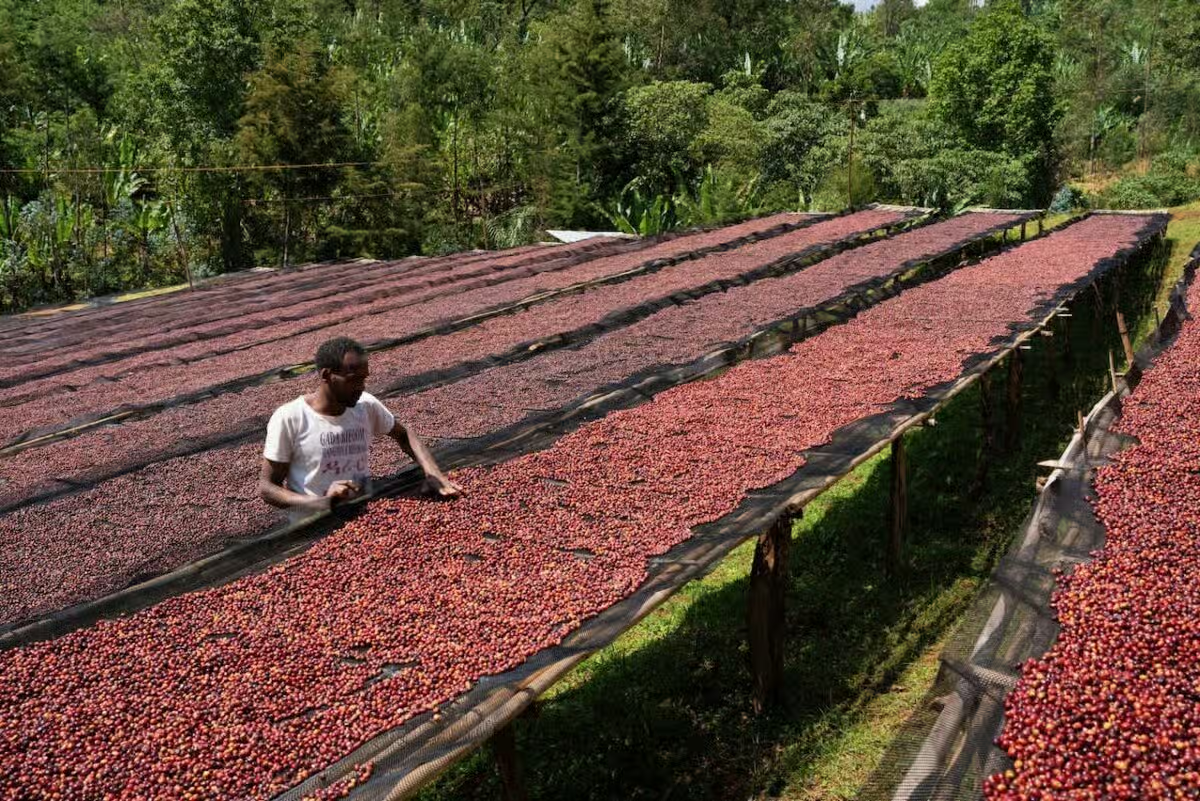
The 2025 harvest began on schedule in most regions, with early pickings in Guji and Yirgacheffe starting in late September. Favorable rainfall patterns during the growing season have set the stage for what could be an excellent crop year.
Regional Harvest Outlooks for 2025
Yirgacheffe: Exceptional Conditions for Floral Complexity
The Gedeo Zone's famous Yirgacheffe micro-region is reporting one of its most promising harvests in recent years. Adequate rainfall during the flowering period (March-April) combined with moderate temperatures during cherry development has created ideal conditions for the delicate floral compounds that make Yirgacheffe coffee legendary.
Yirgacheffe 2025 Outlook
- Volume: Slightly above average (+5-8% vs. 2024)
- Quality: Excellent potential for G1 washed lots
- Expected Profile: Pronounced jasmine, bergamot, lemon zest
- Price Trend: Speciality pricing expected due to global demand
- Buyer Tip: Secure washed G1 early; competition is intense
Sidamo: Strong Naturals, Consistent Washed
Sidamo now officially known as Sidama after gaining regional autonomy continues to deliver the fruit-forward naturals and balanced washed coffees the region is known for. The 2025 harvest shows particular strength in natural processed lots, with extended dry periods during processing creating ideal conditions for slow, even drying.
Sidamo 2025 Outlook
- Volume: Average to slightly above
- Quality: Naturals showing exceptional fruit clarity
- Expected Profile: Blueberry, strawberry, wine notes in naturals
- Price Trend: Stable; naturals commanding speciality
- Buyer Tip: Great value in G2 naturals for blend enhancement
Guji: The Rising Star Delivers Again
Guji has rapidly become one of the most exciting Ethiopian origins, and the 2025 harvest reinforces why. Higher altitudes in areas like Shakiso, Uraga, and Hambela are producing coffees with remarkable complexity the signature stone fruit and jasmine aromatics that have made Guji a darling of specialty roasters.
Guji 2025 Outlook
- Volume: Strong production year
- Quality: Competition-grade lots available
- Expected Profile: Peach, apricot, jasmine, syrupy body
- Price Trend: Speciality prices; high demand from specialty buyers
- Buyer Tip: Excellent for single-origin espresso programs
Harrar: Traditional Character, Variable Lots
Eastern Ethiopia's Harrar region produces some of the most distinctive coffees in the world bold, winey naturals with dried fruit character. The 2025 harvest faces some challenges from inconsistent rainfall, but top lots from established producers maintain the quality Harrar is known for.
Harrar 2025 Outlook
- Volume: Slightly below average due to weather
- Quality: Variable; careful lot selection essential
- Expected Profile: Dried fruit, cocoa, wine, spice
- Price Trend: Stable; speciality for verified quality
- Buyer Tip: Request samples; lot variation is significant
Quality Expectations: What Buyers Should Know
Several factors are shaping the quality profile of the 2025 Ethiopian harvest:
Climate Conditions
The 2024 growing season saw generally favorable weather across Ethiopia's coffee belt. The Belg (short) rains arrived on time in March-April, supporting healthy flowering. The Meher (main) rains from June-September provided adequate moisture without the excess that can promote fungal disease.
Temperature patterns remained within optimal ranges for Arabica development (15-24°C). Importantly, there were no significant frost events in highland areas a risk that can devastate quality in high-altitude regions.
Processing Infrastructure Improvements
Ethiopian washing stations continue to invest in processing infrastructure. New fermentation tanks, improved raised drying beds, and better water management systems are raising the floor on quality. This is particularly evident in Guji and parts of Sidamo, where private washing stations are competing intensely for cherry supply by offering farmers speciality prices for ripe, well-sorted cherry.
Grading and Defect Expectations
Based on early-season arrivals, we're seeing:
- G1 Washed: Excellent availability; clean cups with pronounced terroir
- G1 Natural: Strong lots from speciality stations; some variation
- G2 Washed: Good value tier; slight increase in minor defects
- G2 Natural: Abundant; excellent for blends and price-sensitive buyers
- G3/G4: Commercial grades available for volume buyers
Understanding Ethiopian coffee grading standards is essential for setting realistic expectations and negotiating fair prices.
Pricing Trends and Market Dynamics
The 2025 Ethiopian coffee market reflects broader trends in global specialty coffee:
Price Drivers for 2025
- Global Demand: Specialty coffee consumption continues growing 5-7% annually
- Ethiopian Birr Dynamics: Currency fluctuations affect FOB pricing
- Logistics Costs: Shipping rates have stabilized but remain elevated
- Competition: More buyers pursuing limited exceptional lots
- Farm-level Economics: Rising production costs passed to exporters
Expected Price Ranges (FOB Djibouti)
| Grade/Origin | 2024 Range | 2025 Expected | Trend |
|---|---|---|---|
| Yirgacheffe G1 Washed | $4.80 – $6.50/kg | $5.00 – $7.00/kg | ↑ Moderate increase |
| Guji G1 Natural | $4.50 – $6.00/kg | $4.80 – $6.50/kg | ↑ Strong demand |
| Sidamo G2 Natural | $3.20 – $4.20/kg | $3.40 – $4.50/kg | ↑ Slight increase |
| Limu G2 Washed | $3.00 – $3.80/kg | $3.10 – $4.00/kg | → Stable |
| Commercial G4 | $2.20 – $2.80/kg | $2.30 – $3.00/kg | → Stable |
*Prices are indicative and subject to change based on lot quality, volume, and market conditions. Contact us for current pricing.
Buyer Planning Timeline: When to Act
Successful Ethiopian coffee sourcing requires planning ahead. Here's a practical timeline for the 2025 harvest:
2025 Ethiopian Coffee Buying Timeline
- Sep – Oct 2025:Pre-season planning. Review previous year's performance, set budgets, communicate requirements to suppliers.
- Nov – Dec 2025:Early harvest arrivals. Request type samples, evaluate early lots, make commitments on exceptional finds.
- Jan – Feb 2026:Peak buying window. Best selection available. Confirm orders and shipping schedules.
- Mar – Apr 2026:Main shipments depart. Pre-shipment samples, final documentation, logistics coordination.
- May – Jul 2026:Late season. Limited selection but possible deals. Good for fill-in orders.
How Ethio Coffee Supports Your 2025 Sourcing
At Ethio Coffee Export PLC, we're positioned to help importers navigate the 2025 harvest with confidence:
- Regional Coverage: We source from all major Ethiopian growing regions
- Quality Focus: Rigorous quality control at every stage
- Transparent Pricing: Clear FOB quotes with full documentation
- Sample Programs: Type samples and pre-shipment samples available
- Flexible Logistics: Ship FOB Djibouti or Addis dry port
- Responsive Communication: Real-time updates on availability and shipping
Conclusion: A Promising Year for Ethiopian Coffee
The 2025 Ethiopian coffee harvest offers excellent opportunities for importers seeking quality, diversity, and value. Favorable growing conditions, continued investment in processing, and strong production volumes across most regions create a buyer-friendly environment though competition for top lots remains intense.
For importers committed to Ethiopian specialty coffee, now is the time to engage with suppliers, review samples, and secure allocations. The unique genetic diversity of Ethiopian heirloom varieties, combined with traditional farming practices and improving processing standards, ensures that Ethiopian coffee remains among the most exciting origins on Earth.
Whether you're sourcing your first Ethiopian container or building on years of partnership, understanding the agricultural realities and commercial dynamics of Ethiopian coffee helps you make better decisions and build stronger relationships at origin.
Reserve Your 2025 Ethiopian Coffee
Don't miss the best lots from this year's harvest. Contact us today to discuss your sourcing needs, request samples, and secure your allocation.
About This Report: This harvest outlook is based on field reports from our sourcing network, early-season sample evaluations, and market intelligence gathered from industry contacts. Conditions and pricing are subject to change. Last updated: September 2025.